


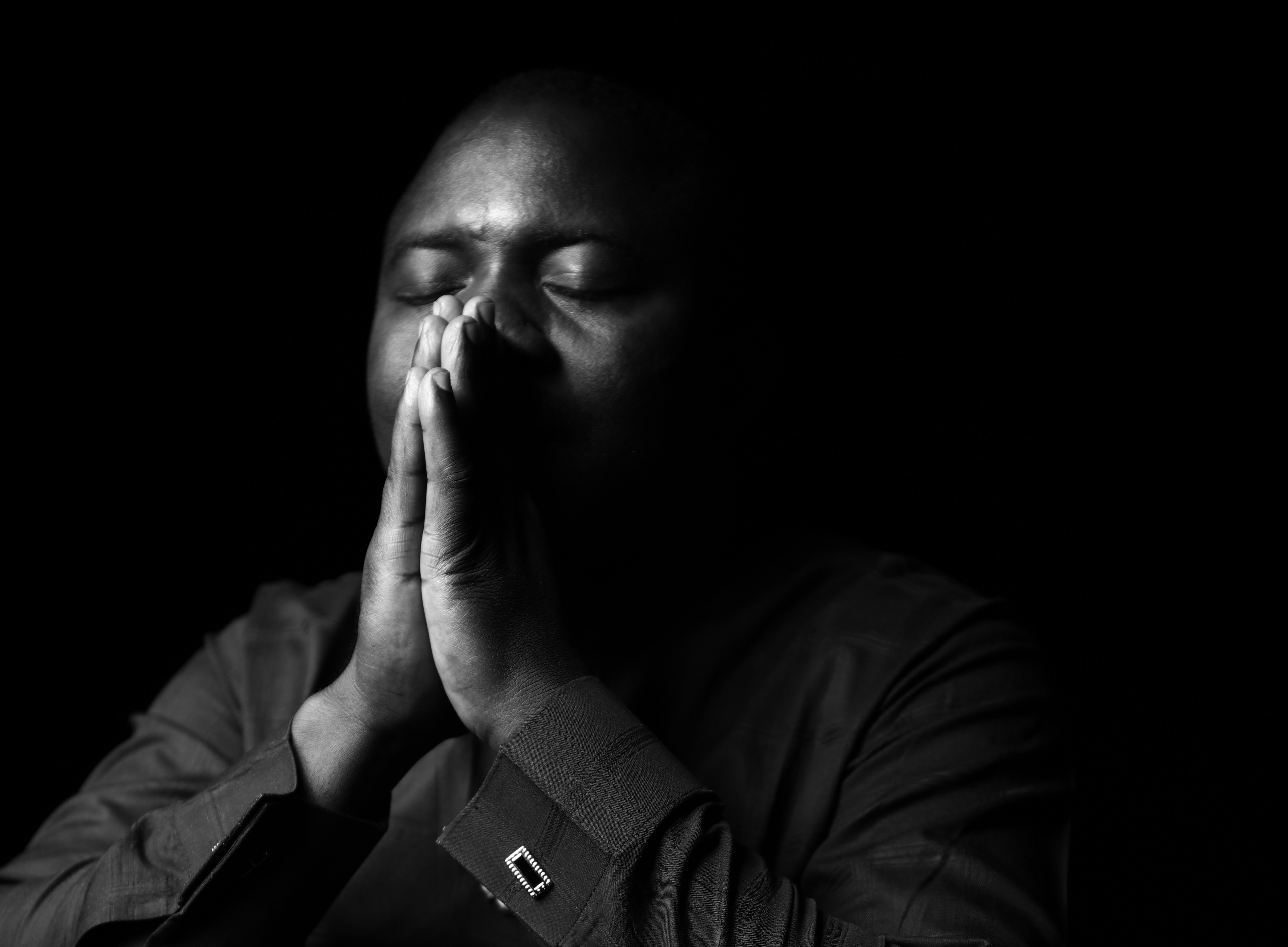
Recently I met with a group of pastors and ministry leaders in my area. During our conversation we shared openly about the struggles, pressures, and opportunities we are experiencing in ministry right now.
Something interesting became clear during that meeting.
Even though we serve in different churches and different contexts, many of the challenges we face are surprisingly similar.
But one topic kept appearing again and again in our conversation and in our prayer requests:
How do we know the will of God for our lives?
This is one of the most common questions Christians ask. Many believers genuinely want to know God’s plan for them. Yet there is often a tension in the way we approach that question.
We ask God to reveal His will, but at the same time we often continue living according to our own plans and ambitions.
So the real question may not simply be:
“What is God’s will for my life?”
A deeper question is this:
“Is my life shaped by what I want, or by what God wants?”
The will of God is not a side topic in the Christian life. It is central. Jesus Himself lived with this purpose.
In John 6:38, Jesus says:
“For I have come down from heaven, not to do my own will but the will of him who sent me.”
If Christ Himself lived this way, then following Him means learning to do the same.
But how does that actually work? How can a believer discern the will of God?
Scripture gives us a helpful framework.
Two Ways the Bible Speaks About God’s Will
The Bible speaks about God’s will in two complementary ways:
God’s general will
God’s personal will
Understanding the difference between these two is extremely important.
Many believers search for God’s personal will while ignoring His general will.
But Scripture shows that the personal will of God is discovered within obedience to His revealed will.
1. The General Will of God

The general will of God refers to what God has clearly revealed in Scripture for all believers.
These are not hidden things. They are not mysterious. They apply to every Christian regardless of culture, location, or calling.
God Desires People to Be Saved
One clear example is God’s desire that people come to salvation.
Paul writes in 1 Timothy 2:3–4:
“This is good, and it is pleasing in the sight of God our Savior, who desires all people to be saved and to come to the knowledge of the truth.”
This explains why the church proclaims the gospel. It explains why believers pray for the lost. Evangelism exists because God’s revealed will includes the salvation of sinners.

God’s Will Is Our Sanctification
Another part of God’s revealed will is our sanctification.
Paul states this clearly in 1 Thessalonians 4:3:
“For this is the will of God, your sanctification.”
Sanctification means that believers grow in holiness. It involves the transformation of our actions, thoughts, desires, and words.
The Bible speaks about sanctification in two senses.
Positional sanctification refers to the fact that believers are declared holy before God through the finished work of Christ.
Progressive sanctification refers to the ongoing work of the Holy Spirit that shapes our daily lives so that we increasingly reflect Christ.
R.C. Sproul explained this well:
“Justification is a declaration that we are righteous. Sanctification is the process by which God makes us righteous in practice.”
In other words, salvation changes our position before God, but sanctification changes how we live.
God’s Goal Is That We Become Like Christ
Another central part of God’s will is that believers become more like Christ.
Paul writes in Romans 8:29:
“For those whom he foreknew he also predestined to be conformed to the image of his Son.”
This verse is often quoted when people talk about suffering. But its meaning goes deeper.
God uses every circumstance (including difficulty) to shape believers into the likeness of Christ.
John Piper summarizes this idea clearly:
“God is always doing ten thousand things in your life, and you may be aware of three of them.”
Even the trials we experience are part of God’s work in shaping our character.
So before we ask about God’s specific plan for our lives, we must first ask whether we are obeying what He has already revealed.
2. The Personal Will of God
While God’s general will applies to every believer, God also gives each Christian a specific role within the body of Christ.
This includes spiritual gifts, ministry opportunities, and unique areas of service.
Paul explains this in 1 Corinthians 12:4–6:
“Now there are varieties of gifts, but the same Spirit; and there are varieties of service, but the same Lord; and there are varieties of activities, but it is the same God who empowers them all in everyone.”
Every believer has a role to play in the church.
And this is important: we discover that role within the life of the church.
The New Testament consistently shows that calling is recognized and affirmed within the local body of believers.
For example, in Acts 13:2–3, the church in Antioch was fasting and praying when the Holy Spirit directed the leaders to set apart Barnabas and Saul for missionary work.
Their calling was not pursued independently. It was confirmed within the church.
John MacArthur emphasizes this principle:
“No Christian can live the Christian life alone. God has designed the church so that believers grow, serve, and mature together.”
The will of God is rarely discovered in isolation.
Faithfulness Matters More Than Visibility

One problem that often appears in ministry is the desire for visibility.
People sometimes seek positions, titles, or platforms that make them visible.
But Scripture teaches something very different.
The body of Christ contains many members, and not all of them are visible.
Paul writes in Romans 12:4–5:
“For as in one body we have many members, and the members do not all have the same function, so we, though many, are one body in Christ.”
Some of the most essential parts of the human body are hidden. The heart and lungs are not visible, yet they are vital for life.
In the same way, many faithful servants in the church serve quietly.
God does not measure success the way the world does.
The world measures success through visibility, influence, and numbers.
God measures success through faithfulness.
Jesus said in Luke 16:10:
“One who is faithful in a very little is also faithful in much.”
The real question is not whether our service is visible.
The real question is whether we are faithful in what God has entrusted to us.
How Do We Discern God’s Will?
Scripture provides several practical principles that help believers discern God’s will.
1. Learn to Wait on God
Modern culture trains us to expect quick results. Everything moves fast.
But God’s work often moves slowly.
Habakkuk writes in Habakkuk 2:3:
“For still the vision awaits its appointed time.”
Waiting is often part of God’s preparation.
Even the apostle Paul experienced this. After his dramatic conversion, years passed before he began his missionary ministry.
Waiting is not wasted time. It is often the season when God forms our character.
2. Surrender to God’s Work in You
Knowledge alone does not prepare someone for ministry.
Education can be valuable, but character matters far more.
God is not simply preparing us to do something. He is preparing us to become someone.
God desires to shape our character so that Christ is visible in us.
3. Walk in Accountability Within the Church
The Christian life is not meant to be lived alone.
Scripture repeatedly shows that believers grow through accountability and community.
Even spiritual leaders need other leaders who speak into their lives.
This protects us from pride, error, and isolation.
4. Be Faithful Where You Are
Faithfulness is one of the most important principles in the Christian life.
Many believers want to know God’s long-term calling while neglecting the responsibilities already in front of them.
But Scripture shows that God often prepares people through small responsibilities.
Moses spent forty years in the wilderness caring for sheep before God called him to lead Israel.
Faithfulness in small things often precedes larger responsibilities.
5. Cultivate a Life of Prayer
Prayer is not merely presenting requests to God.
It is a relationship.
Prayer draws our hearts closer to the Lord and aligns our desires with His.
As believers spend time with God in prayer, they begin to care less about personal success and more about spiritual growth.
Over time, prayer reshapes our priorities.
A Question for Every Believer
Many Christians want to know God’s will for their lives.
But Scripture invites us to ask a deeper question.
Are we willing to submit to the will God has already revealed?
God’s Word clearly calls believers to salvation, holiness, obedience, faithfulness, and service within the church.
As we walk faithfully in those things, God gradually clarifies the specific path He has for us.
So perhaps the most important question today is this:
Is my life shaped by what I want, or by what God wants?
If this reflection encouraged you
Consider sharing it with someone who is currently seeking direction in their faith.
And if you enjoy thoughtful reflections on theology, church life, and spiritual growth, you can subscribe to receive future articles.